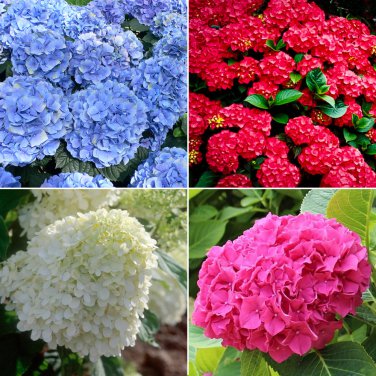
Hydrangea Seeds Mixed 15 Seeds
Godetia, also known as Clarkia, is a beautiful annual flower that produces delicate, cup-shaped blooms. The white variety is particularly popular for its striking appearance and ability to attract pollinators.
If you’re keen on figuring out how to grow hydrangea plants (Hydrangea macrophylla) from seeds, you’ve come to the right spot.
Honestly, there are tons of ways to create a stunning landscape – but growing hydrangeas is definitely one of the top choices. There are so many types of hydrangeas you can cultivate in your yard, and they all have similar care needs.
These beautiful flowering shrubs can fit into all sorts of design ideas. Whether you’re after pink blooms or blue ones, panicle hydrangeas, smooth hydrangeas, or oakleaf hydrangeas, starting hydrangeas from seed is simpler than you might expect.
Whether you’re planting hydrangeas in a shrub border, mixing them with other perennials, or even showcasing them as a standalone plant, these beauties will add color and charm all summer long and into the fall.
Here’s how to plant hydrangea seeds so you can create your own lovely garden of these stunning shrubs to your heart’s delight.
What’s the Best Way to Grow Hydrangea?
growing hydrangea
You can grow hydrangeas in a few different ways.
Growing Hydrangea Plants From Transplants
You can grab a starter transplant at your local nursery – arguably, the simplest way to grow this type of plant since all the initial work is already done for you. All you have to do is plant the shrub in your garden, give it some water, and watch it thrive! Check out our guide to learn how to plant hydrangeas.
Starting With Hydrangea Seeds or Cuttings
If you’re looking to grow several shrubs, buying transplants can get pricey pretty fast. That’s why many gardeners like to propagate their own hydrangea plants, either through cuttings or by planting seeds.
Stem cuttings let you grow hydrangeas faster, but sometimes it can be tricky to get a plant to root.
Starting from seed takes a bit longer, especially since these seeds can be quite small, but the extra effort is worth it when you think about the money you’ll save and the variety you can bring to your garden.
If you’re an experienced gardener ready for a challenge, growing hydrangeas from seed is an awesome way to add some color to your garden. With hydrangeas, every new plant grown from seed is a unique cultivar – something to be proud of!
Growing hydrangeas from seed can take a bit of time, but trust us, it’s totally worth it! You’ll soon have beautiful hydrangea shrubs in your backyard.
Growing Hydrangea Plants From Transplants
You can grab a starter transplant at your local nursery – probably the easiest way to grow these plants since all the initial work is done for you. All you have to do is plant the shrub in your garden, water it, and watch it thrive! Check out our guide for tips on planting hydrangeas.
Starting With Hydrangea Seeds or Cuttings
If you’re looking to grow several shrubs, buying transplants can get pricey fast. That’s why many gardeners like to propagate their own hydrangea plants, either by cuttings or from seed.
Stem cuttings let you grow hydrangeas quicker, but sometimes it can be tricky to get a plant to root.
Starting from seed takes a bit longer, especially since these seeds can be quite small, but the extra effort is worth it when you think about the money you’ll save and the variety you can bring to your garden.
1. Collect Hydrangea Seeds
If you want to start a plant from seed, gather the original parent hydrangea seeds in the fall, ideally when the seedpods have dried and are just beginning to open. The seeds will be brown and dust-like in texture.
Hydrangeas create seeds through their large fertile flowers, but while the flowers are big, the seeds are tiny. You’ll need to wait up to 12 weeks after blooming for the hydrangea blossom to fade and dry. You won’t have fertile flowers until then – just sterile ones.
If you’re planning to plant hydrangea seeds, it’s important to have this fertility, so hang in there! You can capture these hydrangea seeds by placing a plastic bag over the dried flower head. Cut the head from the plant, then tip it upside down and shake out the hydrangea seeds.
Start Your Seeds
About six to eight weeks prior to the last expected frost, you can start planting your hydrangea seeds. Just sprinkle the seeds onto some moist, fertile potting soil. Make sure not to cover them with the soil, as hydrangea seedlings need light to germinate.
Keep the soil moist after you’ve sown the seeds on the surface. It’s crucial to maintain adequate moisture for the germination process!
4. Care for the Hydrangea Seeds
While you wait for the seeds to sprout – which can take up to four weeks – all you need to do is mist the soil occasionally with some warm water. Place the container in bright, indirect sunlight and be patient for the growth to show up.
5. Transplant the Shrubs
Once your seedlings are grown, with at least two sets of true leaves, it’s time to transplant them outdoors. This is when your plant will start developing roots and it’s safe to move them outside.
Spring and fall are usually the best times to transplant hydrangeas, but if your seedlings are smaller, it’s better to plant them in the spring. This helps reduce the chances of winterkill.
Also, steer clear of transplanting during the hot summer months, as that can harm your plant.
To transplant, dig a hole that’s about twice the size and depth of your seedling’s root ball. Choose a spot that gets a bit of afternoon shade.
Gently place your seedling’s roots into the ground. Fill in with soil around it, then give the planting area a good soak. Add mulch around your seedling to help the soil retain moisture and keep weeds at bay.
During the first growing season, while your plant is getting established, you might want to water it once or twice a week. After it’s developed strong roots (in the second year and beyond), you probably won’t need to water unless it’s extremely dry.
How Long Does it Take for a Hydrangea to Grow to Full Size?
hydrangeas grown from seed
Even though it takes some time to get a hydrangea going from seed, the good news is that your efforts will eventually pay off!